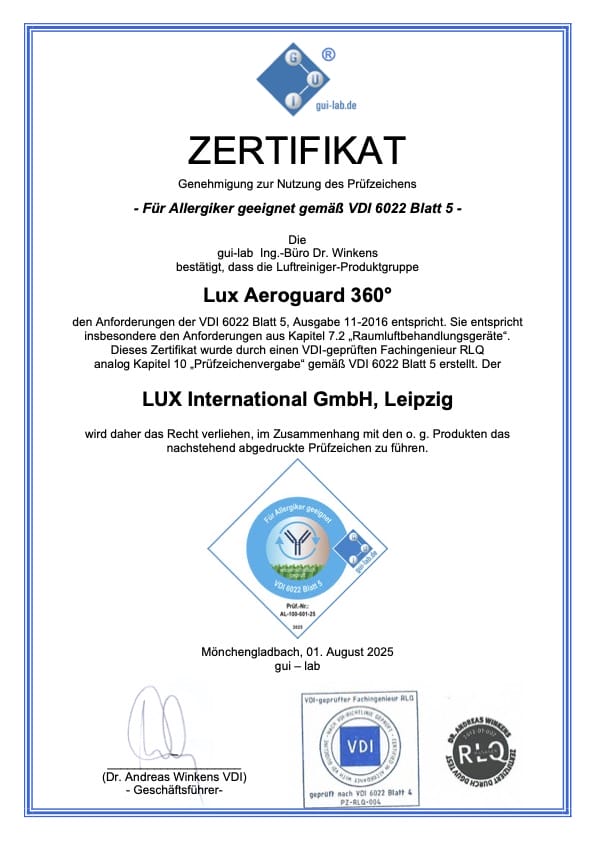
Für Allergiker
geeignet
 Contact us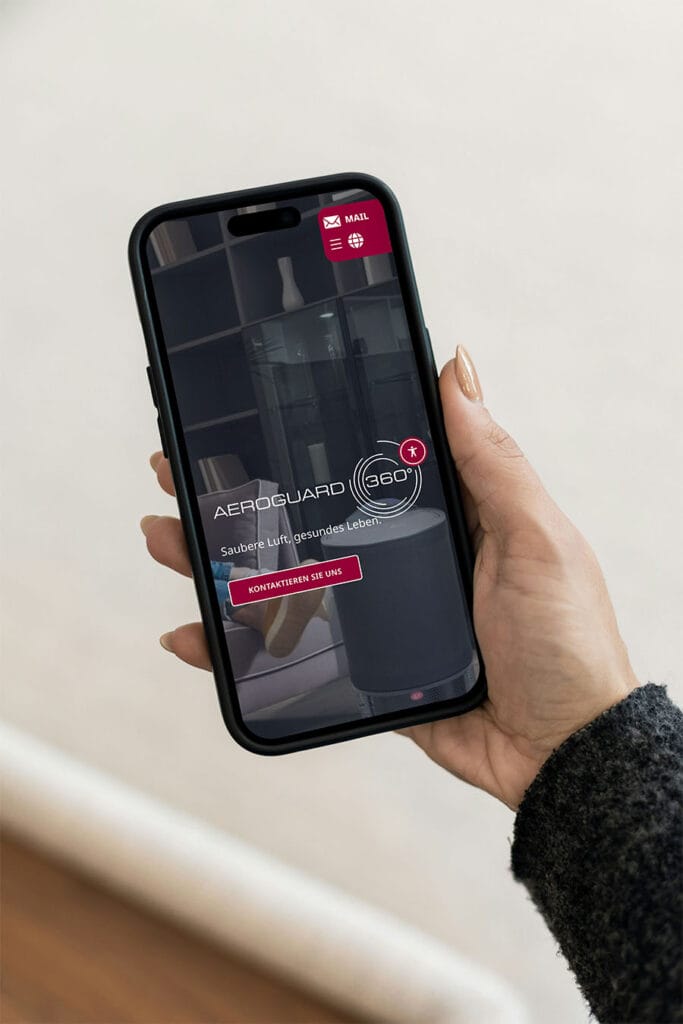
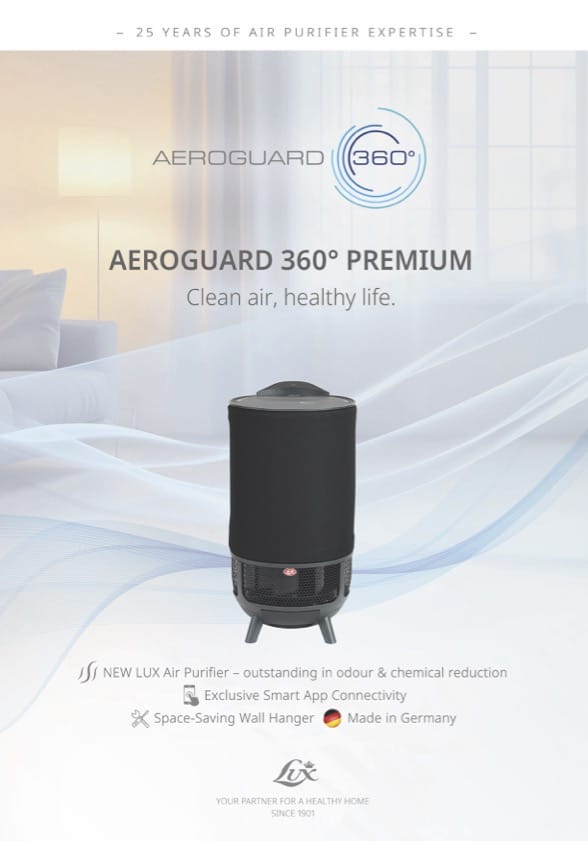
A healthy, clean and inspiring indoor environment that promotes productivity, health and a sense of well-being.
Ideal for:
Hospitals
medical practices
Hospitals
medical practices
Hospitals
medical practices
Hospitals
medical practices
Hospitals
medical practices
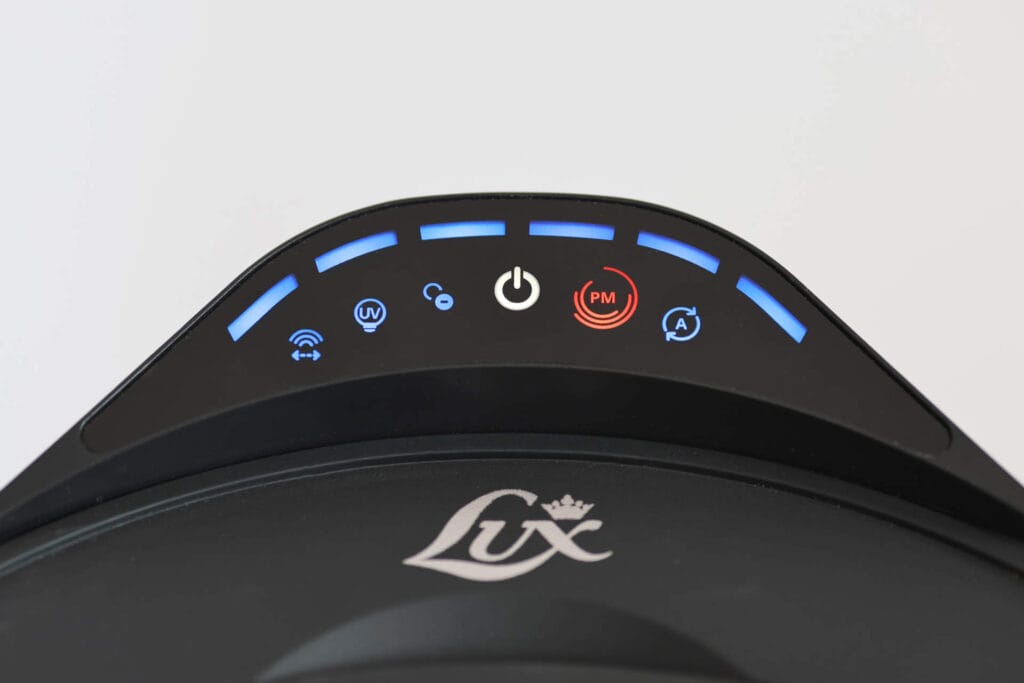
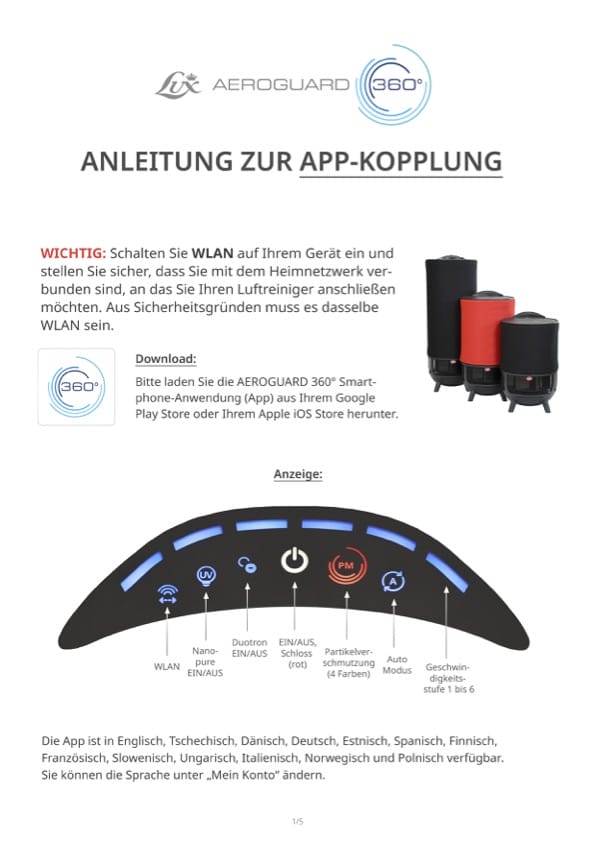
Wifi
Nanopure
on / off
Duotron
on / off
on / off
Lock (red) (5 seconds)
Display idle state
Particle
level
Automatic mode
Fan speed 1 to 6,
only works when Auto off
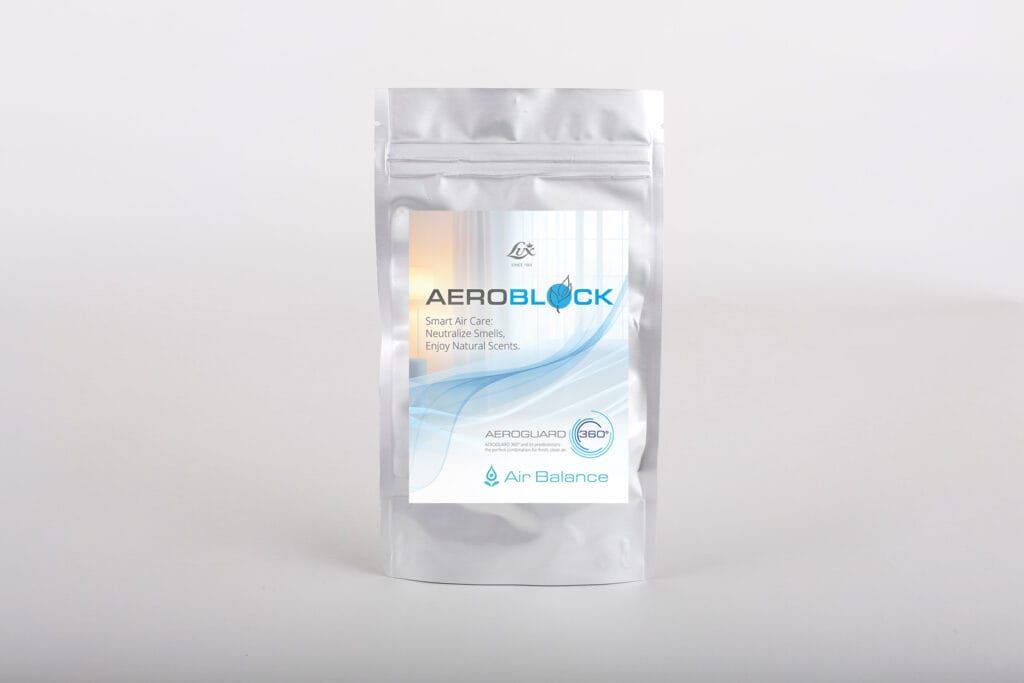

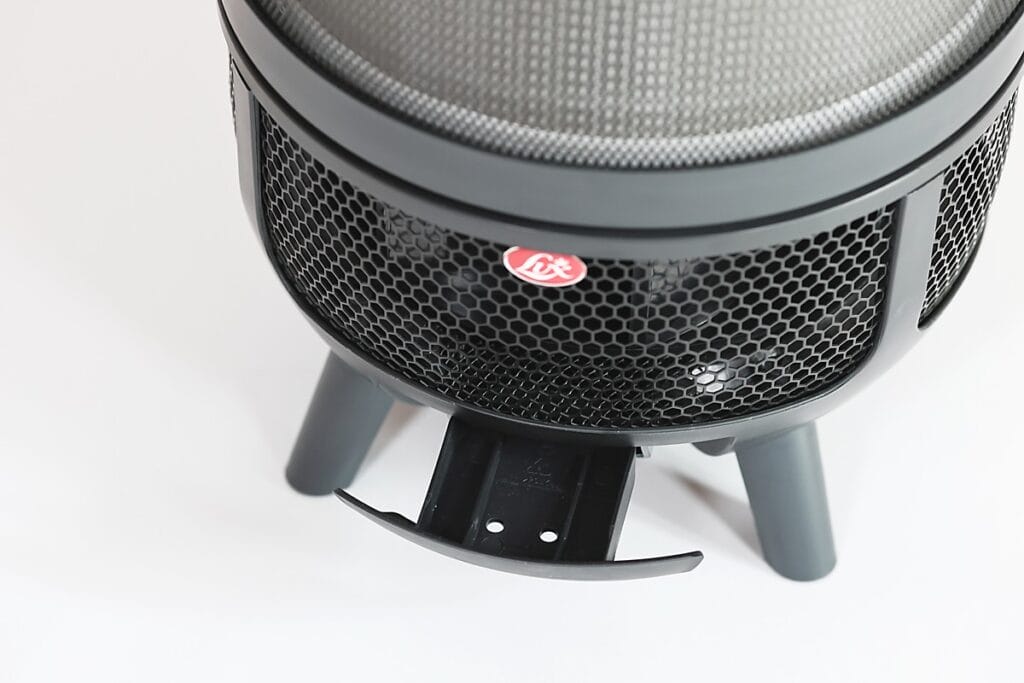
The Aeroblock complements air purification with natural air freshening. It absorbs unpleasant odours whilst releasing pleasant, non-allergenic scents – subtle, fresh and ideal for waiting rooms, hotel rooms, lobbies or offices. This creates an atmosphere in which people truly feel at ease.
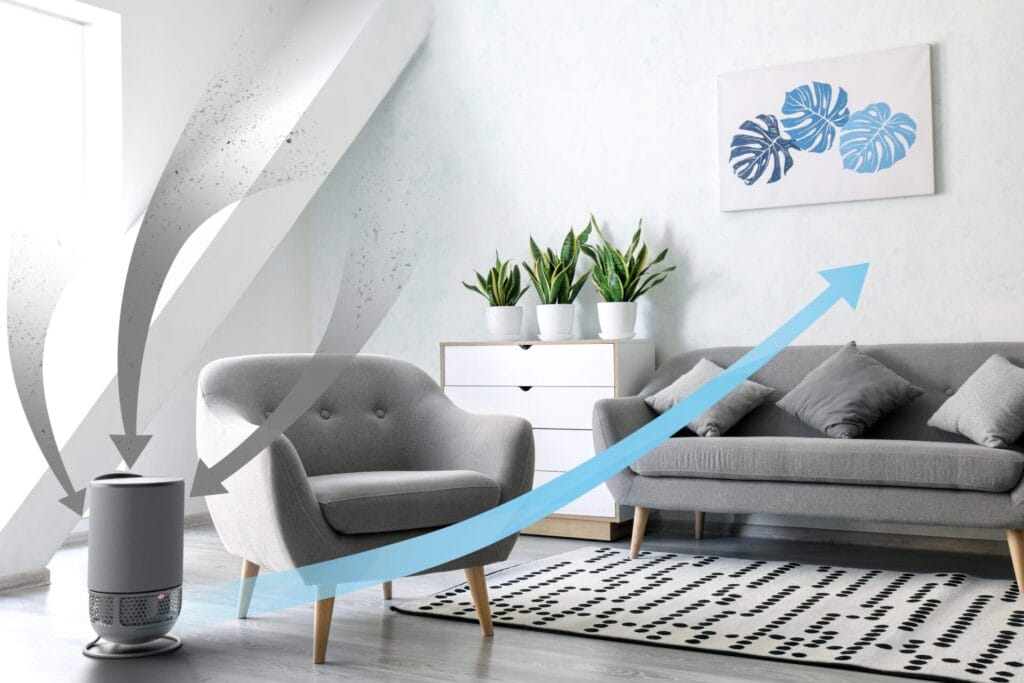
The Aeroblock has been developed to perfectly complement the air purification provided by the Aeroguard 360° PRO. Whilst the Aeroguard removes pollutants, viruses and particles, the Aeroblock ensures that the air is refreshed:
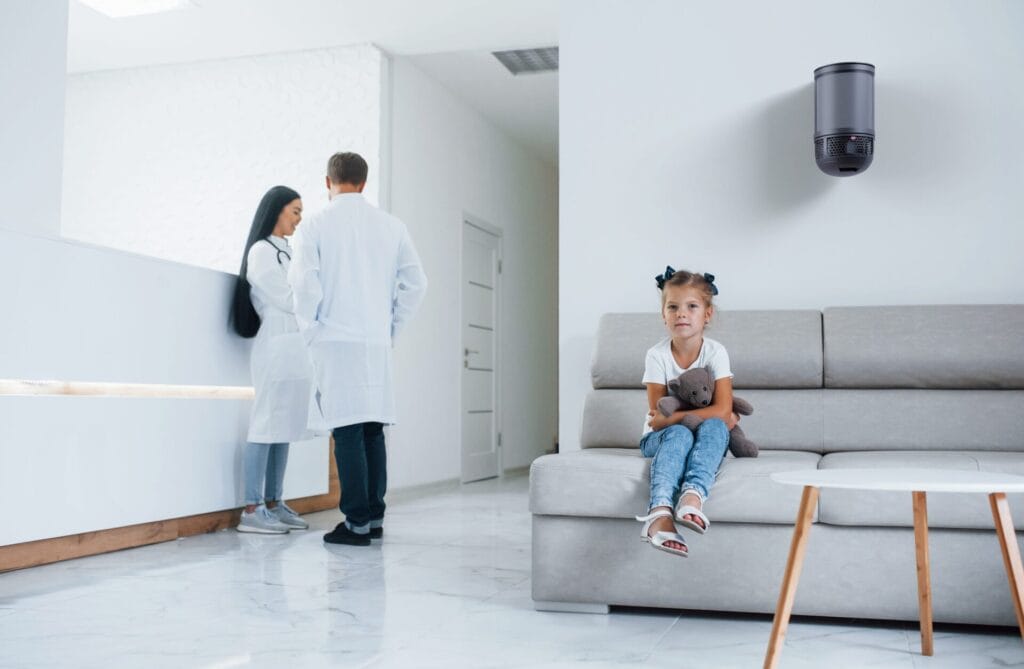
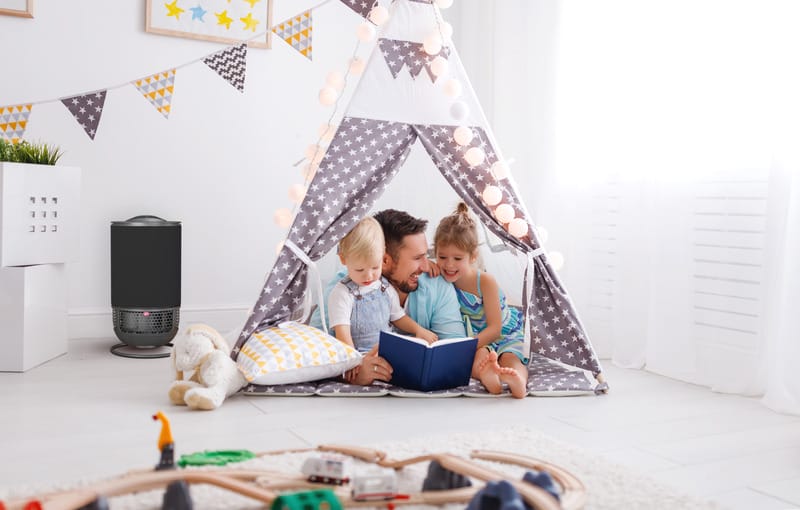
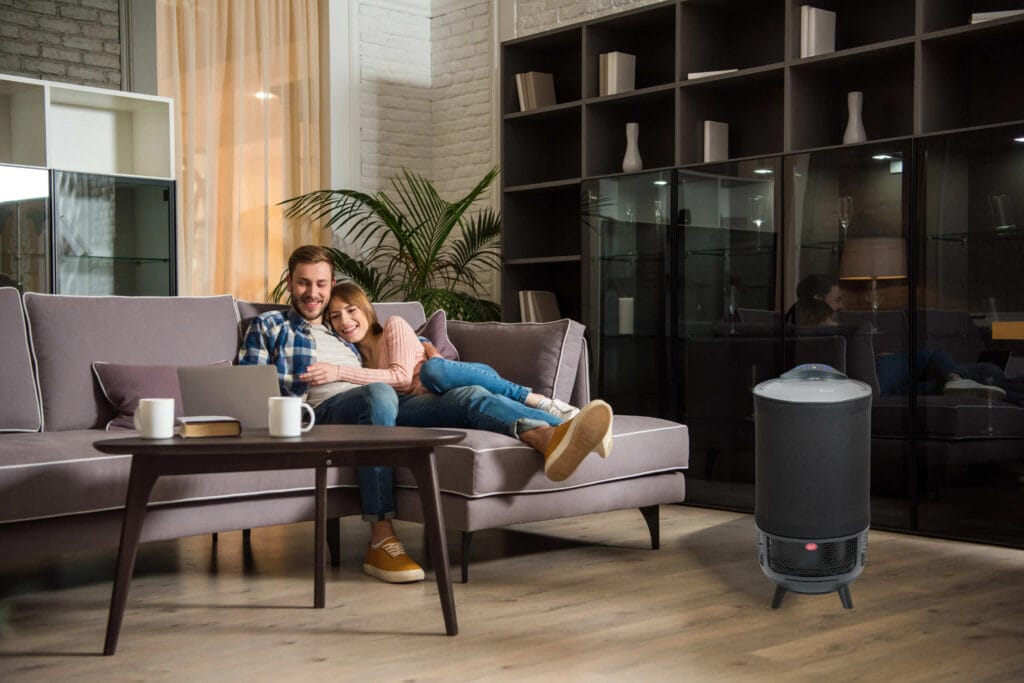
Whether it’s a nursery, a care home, a doctor’s surgery, a gym, a hotel or an open-plan office – the Aeroguard 360° PRO creates a noticeably better indoor climate in any environment.
The Aeroblock complements air purification with natural air freshening. It absorbs unpleasant odours whilst releasing pleasant, non-allergenic scents – subtle, fresh and ideal for waiting rooms, hotel rooms, lobbies or offices. This creates an atmosphere in which people truly feel at ease.

The mobile app lets you see all the readings at a glance – from particulate matter (PM1, PM2.5, PM10) and VOC concentrations to temperature and humidity.
You can control devices and track trends over time – all conveniently from your smartphone.
The Aeroblock complements air purification with natural air freshening. It absorbs unpleasant odours whilst releasing pleasant, non-allergenic scents – subtle, fresh and ideal for waiting rooms, hotel rooms, lobbies or offices. This creates an atmosphere in which people truly feel at ease.
“A two-year study conducted by Helsinki University Hospital and the University of Tampere found that the use of air purifiers reduced sick leave in nurseries by 18%.”
Source: https://pandemicresponse.fi
Frequently asked questions about the Lux Aeroguard 360° at a glance